| |
|
Marble
Carthage Crushed Limestone no longer produces marble; however, we still have a large inventory of un-cut and cut stone. This is great for counter tops, flagging, sculpting, and landscaping. In fact we have numerous customers coming from all over the United States that use our marble in sculpting. Certain industries also use our blocks of marble for drilling technology and lab research on drill bits for the oil field industry.
Marble is available for pick up and sampling by appointment only. To inquire about marble please call (417) 526-5600 or email info@uslm.com
Carthage Fleuri
|
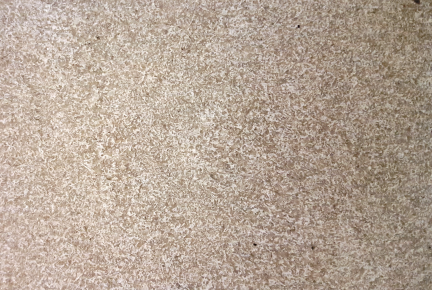
Carthage Fleuri, also known as Carthage Marble, is considered a "Class A" marble. It is like a delicate abstract design resembling charcoal on dappled pale grey paper along with very light pearly grey sparkles that
appear almost white in sunlight. The neutral contrast will make any project stand out and will last forever. Rising above the common limestone, Carhage Fleuri is capable of taking on a high polish which brings out a deeper shade of
grey. This marble can still be seen throughout the United States on many federal buildings. We are very proud to have taken part in producing such a fine quality marble.
|
|
|
|